November 23, 2026
Vehicle damage can leave you making unfamiliar decisions while trying to restore an ordinary routine. Before authorizing work, it helps to understand how a repair team evaluates the vehicle, explains its recommendations, and handles questions along the way. Specific answers make the process easier to follow.
When comparing auto body shops, focus on the work your vehicle needs and the support available throughout that work. A conversation about the actual damage is more useful than a broad promise of excellent results. Relevant questions give you a practical way to evaluate the team before handing over the vehicle.
1. What Does Your Damage Assessment Include?
An unexpected repair visit can be unfamiliar territory. According to AutoLeap, more than 40% of vehicle owners address maintenance reactively instead of following a regular service schedule. Having questions ready helps make a repair conversation more purposeful when a problem has already appeared.
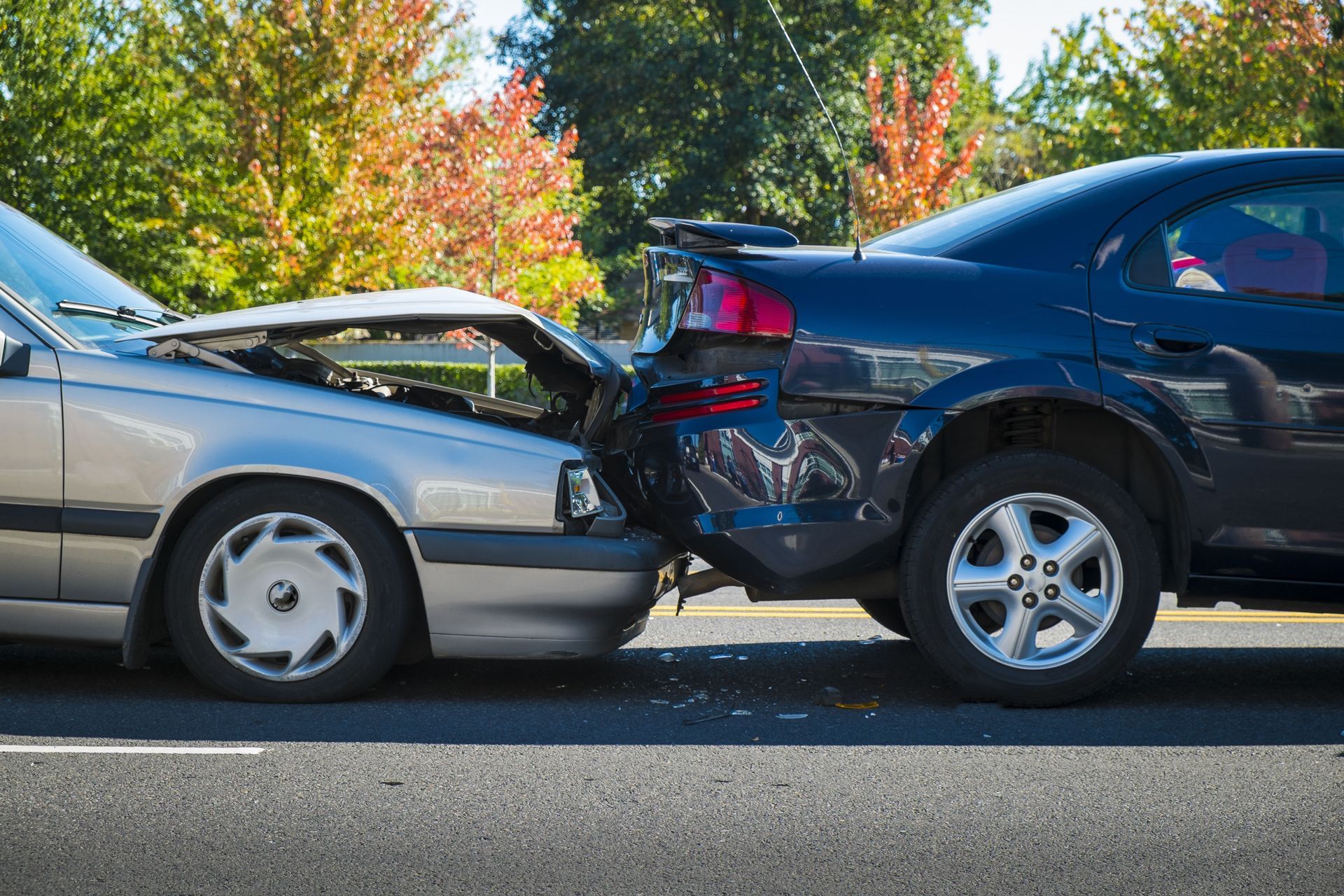
The assessment offered by auto body shops should relate to the damage being presented. A dented panel, damaged bumper, broken glass, or possible frame damage raises different questions. Ask what the team will examine and how it will explain the findings before recommending work.
Visible damage is a starting point, but the proposed scope should follow evaluation. For a collision-related concern, that may involve assessing structural damage as well as the exterior appearance. An explanation helps you understand which areas need attention and how they relate to the repair being proposed. It also gives you an opportunity to clarify concerns that might otherwise remain unspoken.
A vehicle's appearance after an impact does not tell you which areas require correction. Ask the team to distinguish what it can establish during the initial evaluation from anything requiring closer investigation as the repair progresses.
2. What Experience and Training Does Your Team Have?
Relevant experience matters more than a general claim about handling every kind of vehicle problem. A team repairing collision damage should be able to discuss its background with the type of work involved, whether that means bumper repair, frame correction, or refinishing.
Ask auto body shops about technician training and how that knowledge relates to current repair methods. Qualifications such as I-CAR Platinum credentials provide a specific subject for discussion. The explanation should connect training with the tasks the vehicle needs rather than treating a credential as a substitute for describing the work.
Experience with equipment also deserves attention. Structural repair may involve computer-aided measuring and hydraulic frame straightening, while refinishing calls for different tools and techniques. Understanding those capabilities helps you evaluate the team's approach to your vehicle, with room to ask how it works toward manufacturer specifications.
3. How Will You Address the Damage and Finish?
Body repair and refinishing should be discussed together when both are needed. A damaged bumper or dented panel may require work to restore its shape and function before the final appearance can be addressed. Ask how the team will determine which method is appropriate.
When auto body shops explain dent repair, they can discuss whether paintless dent removal suits the damage or whether another approach is needed. Paintless methods may be appropriate for certain small dents and dings, preserving the existing finish where the condition allows. Other damage can require refinishing as part of the repair.
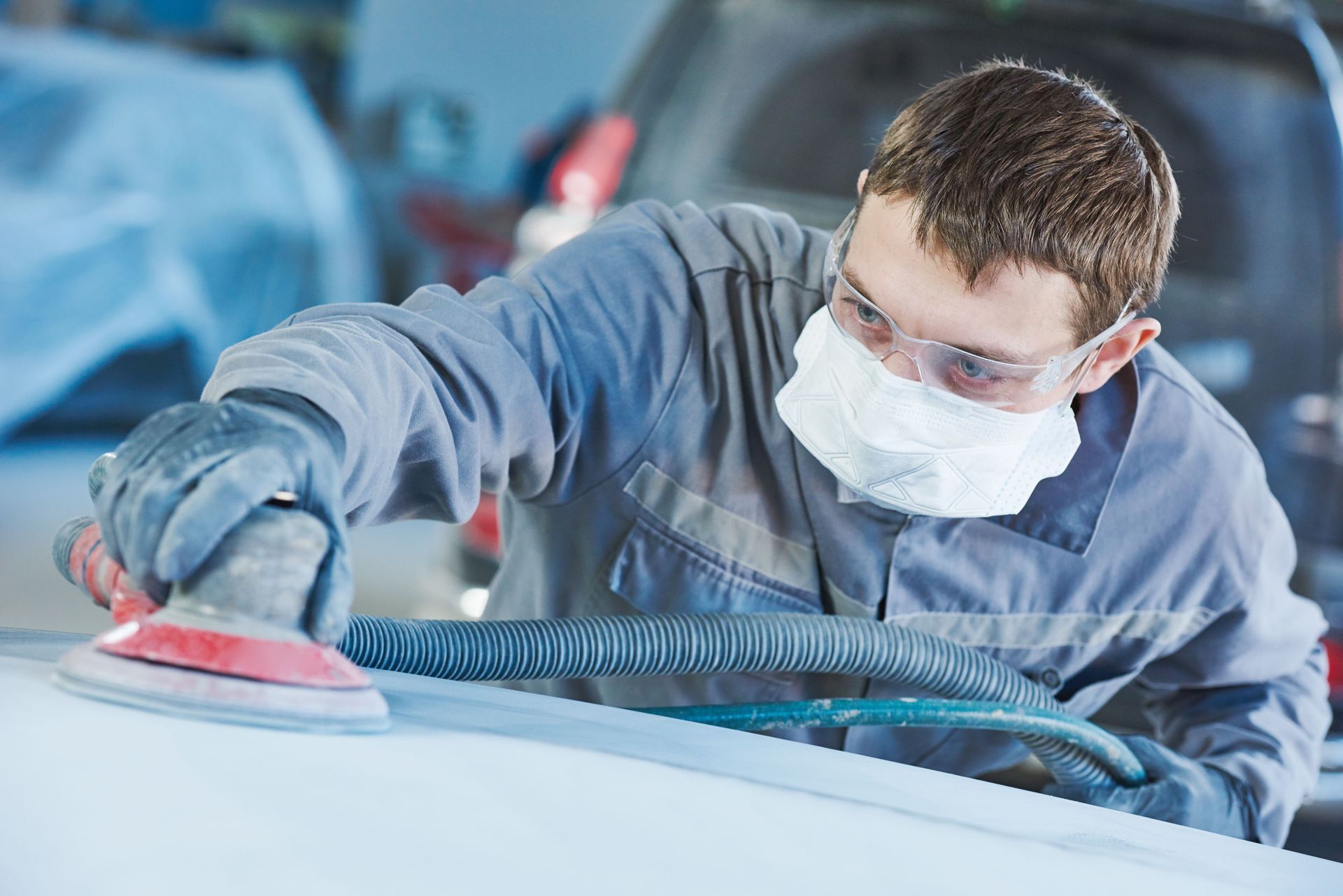
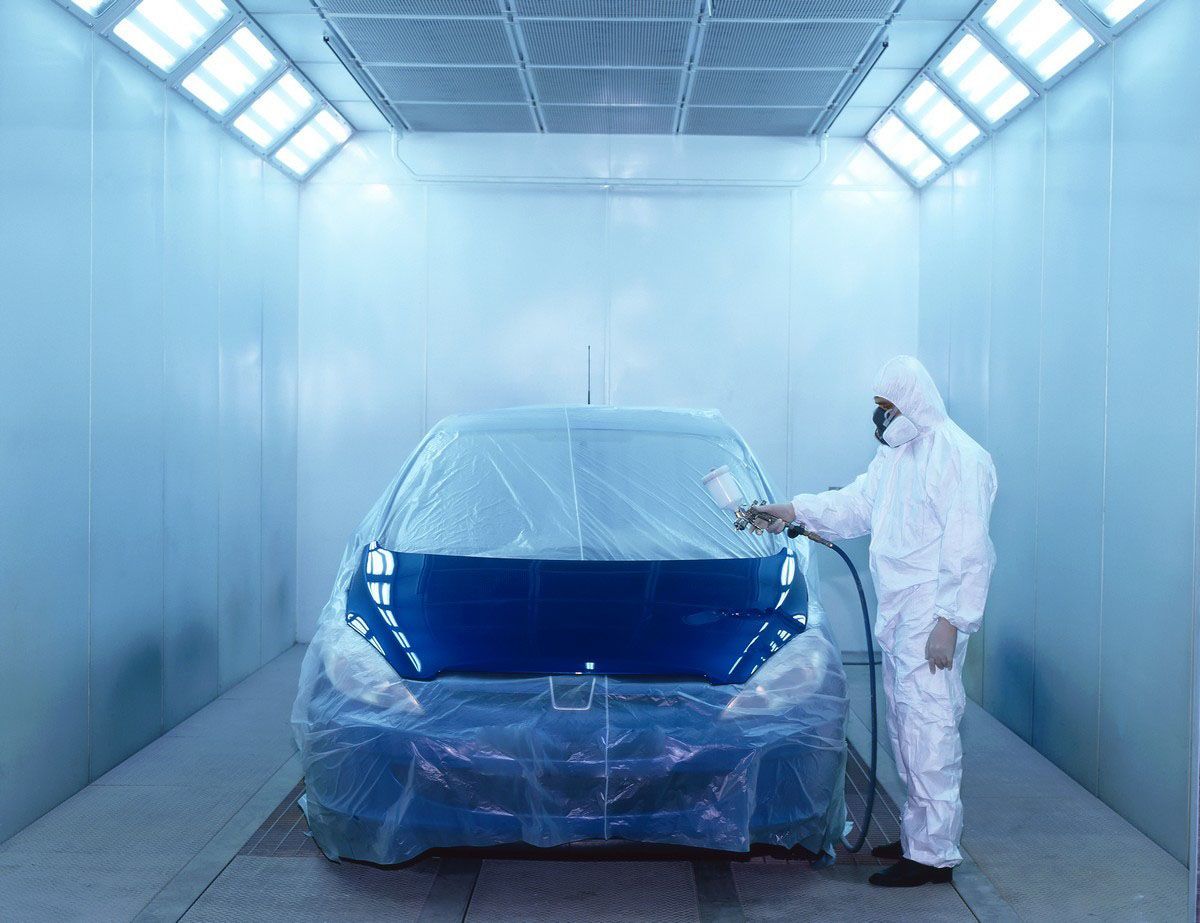
The paint discussion should explain how the repaired area will relate to the vehicle's existing appearance. Color matching, preparation, and painting are parts of that conversation. Understanding the intended result gives you a basis for discussing the finished work, without assuming that every dent or paint concern can be handled through the same process.
4. Which Parts and Repair Methods Are Proposed?
A recommendation becomes more understandable when the shop identifies what will be repaired and what will be replaced. Ask which components are involved and how the proposed parts relate to the vehicle. OEM parts and manufacturer-based repair methods are useful topics to clarify during that discussion.
A comparison of auto body shops should consider how each explains its recommendations. For example, a bumper repair and replacement are different proposals, even if both address the same damaged area. The team should be able to describe why the selected approach suits the findings.
Structural work deserves an equally specific explanation. Ask how frame damage is measured and how correction will relate to manufacturer specifications. This keeps the discussion focused on the vehicle's condition and the method proposed to address it. Clear answers help make the repair plan something you can understand rather than a collection of unfamiliar technical terms.
5. What Insurance and Transportation Support Is Available?
Practical arrangements can affect the repair experience from the beginning. If an insurance claim is involved, ask what information the shop needs and how communication with the insurer will be handled. Having a claim number ready can be an important starting point for that assistance.
Support offered by auto body shops should be explained in terms of their actual role. Ask which insurers the team works with, what communication it handles, and how you will remain informed. Assistance with a claim is a service to understand clearly, with the particulars of your situation discussed directly.
Transportation deserves attention when the damaged vehicle needs towing. Ask whether towing is available and how arrival at the shop can be arranged. The ability to have a vehicle brought in outside ordinary hours is different from a promise that repairs will begin immediately. Clarifying those arrangements helps you understand the next practical step without relying on assumptions about availability.
6. How Will You Keep Me Informed During Repairs?
A useful communication plan establishes whom you can contact and how questions will be handled. Ask how the shop explains progress and any findings that affect the proposed work. Knowing where to direct a concern makes the process easier to follow while the vehicle is being repaired.
The discussion should also distinguish an initial estimate from a completion timeline. A prompt assessment helps begin the conversation, while the scope of the repair shapes the work ahead. The team can explain the anticipated sequence and how updates will be communicated if circumstances change.
Clear communication matters at completion, too. Ask how the repaired areas and completed work will be explained when the vehicle is returned. This gives you an opportunity to connect the finished result with the original repair plan and raise any questions about what was done.
7. What Warranty Applies to the Completed Work?
Warranty information should be specific to the repair and the coverage offered. Ask which work is covered, how the terms are defined, and whether separate manufacturer coverage applies to any products involved. A general assurance that work is guaranteed leaves important details unexplained.
Warranty explanations from
auto body shops should give you a clear understanding of the protection associated with the completed repair. If coverage is described as lifetime, ask what that means under the applicable terms. You can also ask whom to contact and what information to retain if a concern arises later.
This conversation belongs before the work is authorized. Understanding the relevant coverage allows you to evaluate it alongside the proposed repair, with expectations grounded in the terms being offered rather than an assumption about what every warranty includes.
Entrusting a vehicle becomes less uncertain when the answers relate directly to its condition and the work proposed. A useful conversation gives you a clearer understanding of both the recommendation and the steps ahead. Your questions guide how we explain collision repair at Elite Collision Repair Inc. Speak with us about your vehicle and the repair questions you want answered.