July 23, 2026
Understanding the common causes of vehicular collisions is important for preventing accidents and reducing the need for major repairs. Drivers can protect themselves, their passengers, and their vehicles by recognizing the behaviors and conditions that often lead to crashes. Since vehicles are major investments, even a minor incident can result in costly damage, downtime, and safety concerns. This article explains several common causes of accidents and how safer driving habits can help reduce the need for a collision repair service.
1. Distracted Driving
Distracted driving remains one of the most frequent causes of vehicle collisions. Mobile phone use is especially dangerous because texting, calling, or checking apps takes a driver’s eyes and attention away from the road. Even a few seconds of distraction can prevent a driver from noticing stopped traffic, changing signals, pedestrians, or sudden hazards. According to AutoLeap, the average vehicle is 12 years old, which means many cars on the road may not have the most advanced safety technology to help prevent or reduce crash damage.
Infotainment systems can also contribute to distraction. Navigation screens, music controls, and connected features are convenient, but they can demand too much attention when used while driving. Drivers should set routes, adjust audio, and connect devices before leaving a parking space. Passenger conversations, roadside events, billboards, and mental distractions such as stress or daydreaming can also reduce awareness.
2. Speeding
Speeding greatly increases both the likelihood and severity of a crash. When a vehicle is traveling too fast, the driver has less time to react to obstacles, traffic changes, or sudden stops. Higher speeds also require longer braking distances, making it harder to avoid impact. Speed limits are designed around road conditions, traffic flow, curves, intersections, and visibility, so ignoring them creates unnecessary risk.
Speeding becomes even more dangerous in rain, snow, fog, construction zones, or poorly lit areas. Inexperienced drivers may also struggle to judge safe speeds, especially when trying to keep up with surrounding traffic. Time pressure is another common factor, as drivers who are running late may make unsafe choices. Planning ahead, leaving earlier, and accepting delays can help prevent crashes and reduce the chance of needing a collision repair service.
3. Impaired Driving
Impaired driving includes more than alcohol use. Alcohol reduces coordination, slows reaction time, and weakens judgment, making it one of the most dangerous causes of collisions. Drug impairment can be just as serious, whether the substance is illegal, recreational, or prescribed. Some medications cause drowsiness, dizziness, blurred vision, or slower decision-making, all of which can make driving unsafe.
Fatigue is another form of impairment that many drivers underestimate. A tired driver may drift between lanes, miss traffic signals, or react too slowly to hazards. Medical conditions can also affect safe driving if they interfere with vision, alertness, or physical control. When multiple substances are combined, the effects can become unpredictable and severe. Avoiding impaired driving protects lives, prevents legal consequences, and lowers the risk of needing a collision repair service.
4. Weather Conditions
Weather can quickly change road safety. Rain reduces traction and can cause hydroplaning, especially when tires are worn or improperly inflated. Fog limits visibility and makes it harder to see road signs, brake lights, and obstacles ahead. Snow and ice create serious handling challenges, particularly when drivers accelerate, brake, or turn too quickly. Wind can also affect vehicle control, especially on bridges, highways, and open roads.
Temperature extremes can create additional problems. Heat may affect tire pressure and engine cooling, while cold weather can weaken batteries, freeze windows, and reduce tire grip. Drivers should slow down, increase following distance, and make sure lights, tires, wipers, and defrosters are in good working order before driving in difficult weather. These habits can help prevent crashes and limit the need for a collision repair service.
5. Poor Road Conditions
Potholes, uneven pavement, loose gravel, and poorly maintained roads can all contribute to accidents. A sudden pothole impact may damage tires, wheels, suspension, or steering components, making the vehicle harder to control. Uneven roads can cause swerving, sudden braking, or loss of stability, especially when drivers are traveling too fast for the conditions.
Inadequate signage also creates confusion. Missing stop signs, faded lane markings, unclear detour signs, and poorly marked construction zones can lead to sudden decisions and unexpected vehicle movements. Construction areas require extra caution because lanes may shift, workers may be nearby, and traffic patterns can change quickly. Slowing down and staying alert in these areas helps drivers avoid crashes and unnecessary collision repair service expenses.
6. Mechanical Failures
Mechanical problems can cause accidents when vehicles are not maintained properly. Brake issues are among the most serious because they reduce the ability to stop safely. Worn pads, leaking brake fluid, or damaged rotors can turn a routine stop into a dangerous situation. Tire blowouts are also hazardous because they can cause sudden loss of control, particularly at highway speeds.
Engine problems, steering issues, suspension wear, and electrical failures can also contribute to collisions. A stalled engine may leave a driver stranded in traffic, while poor steering or suspension can make it difficult to maintain control. Faulty lights can reduce visibility and make it harder for other drivers to see the vehicle. Regular maintenance, inspections, and prompt repairs are essential for preventing accidents and avoiding a collision repair service after a preventable failure.
7. Following Too Closely
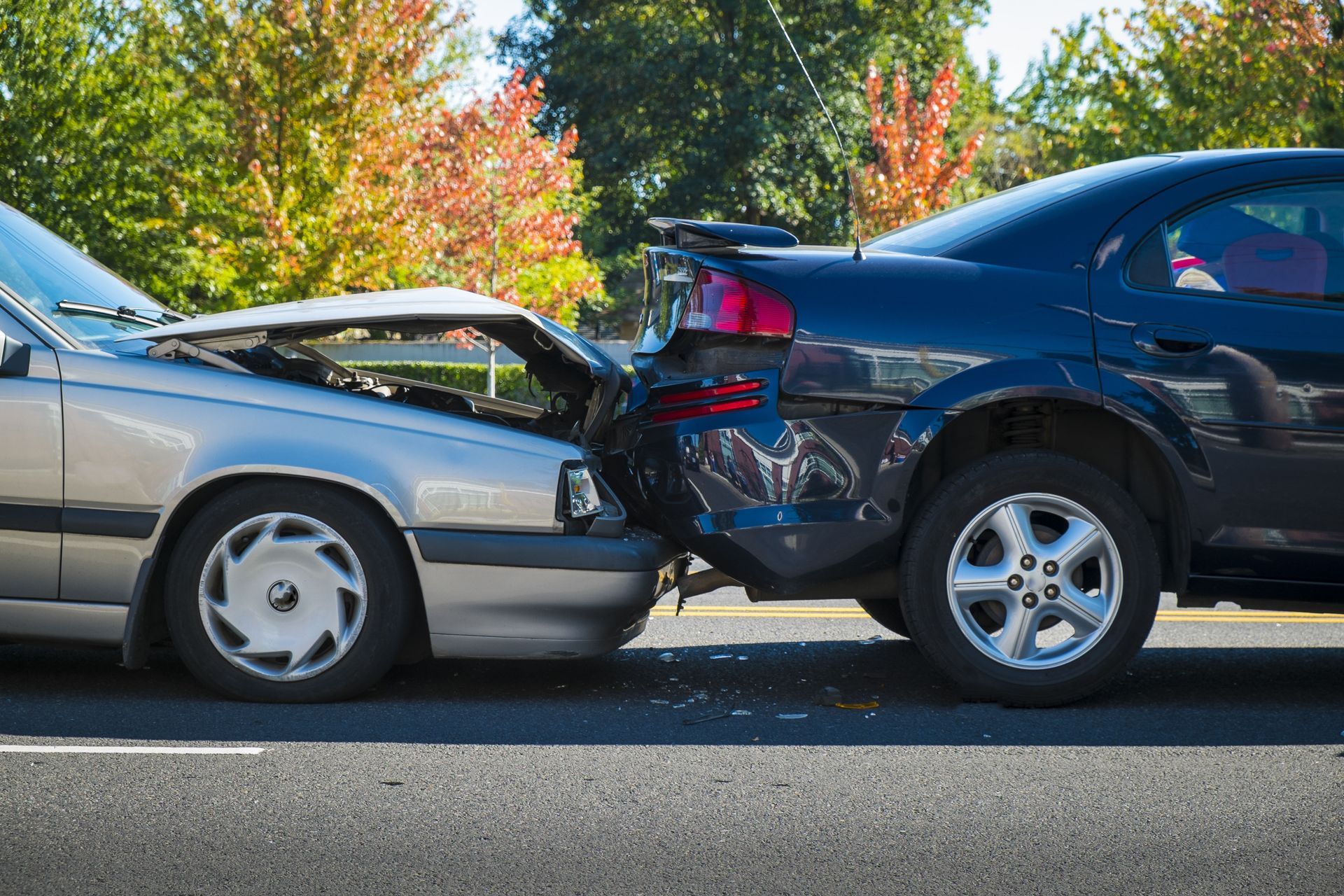
Tailgating is a common cause of rear-end collisions. When drivers follow too closely, they leave little room to react if the vehicle ahead slows down or stops suddenly. This risk increases in heavy traffic, poor weather, construction zones, and areas with frequent stop-and-go movement. Maintaining a safe following distance gives drivers more time to brake, steer, and avoid impact.
Drivers should also avoid aggressive habits such as weaving through traffic, cutting off other vehicles, or braking suddenly. These behaviors create unpredictable situations and increase the chances of a crash. Defensive driving means anticipating mistakes from others while making calm, predictable choices. Safe spacing and patience can help prevent damage that would otherwise require a collision repair service.
8. Failure to Yield
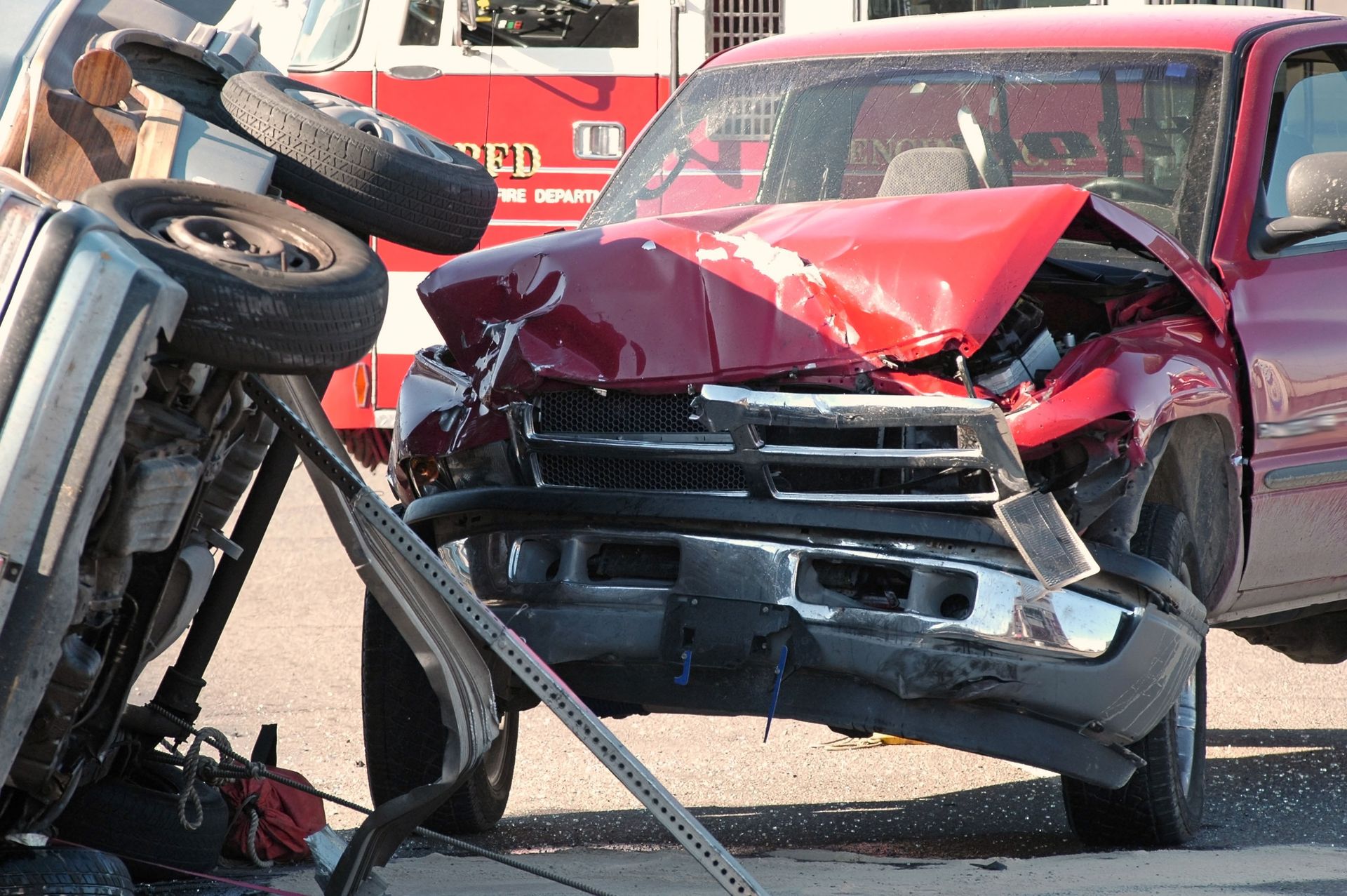
Many collisions occur when drivers fail to yield at intersections, merge points, parking lots, and roundabouts. These accidents often happen because a driver misjudges another vehicle’s speed, rushes through a turn, or overlooks pedestrians and cyclists. Left turns are especially risky because drivers must watch oncoming traffic, signals, crosswalks, and blind spots at the same time.
To reduce this risk, drivers should slow down when approaching intersections and confirm that the path is clear before moving. Eye contact with pedestrians, careful mirror checks, and patience during merges can prevent confusion. Yielding properly may take a few extra seconds, but it can prevent serious damage and reduce the likelihood of needing a collision repair.
Vehicle collisions are often caused by a combination of driver behavior, road conditions, weather, and mechanical issues. Distracted driving, speeding, impairment, poor maintenance, and aggressive habits can all increase crash risk. By staying focused, maintaining safe speeds, preparing for weather, keeping vehicles in good condition, and practicing defensive driving, drivers can protect themselves and others on the road. Contact our team at Elite Collision Repair Inc today and learn more about collision repair services.